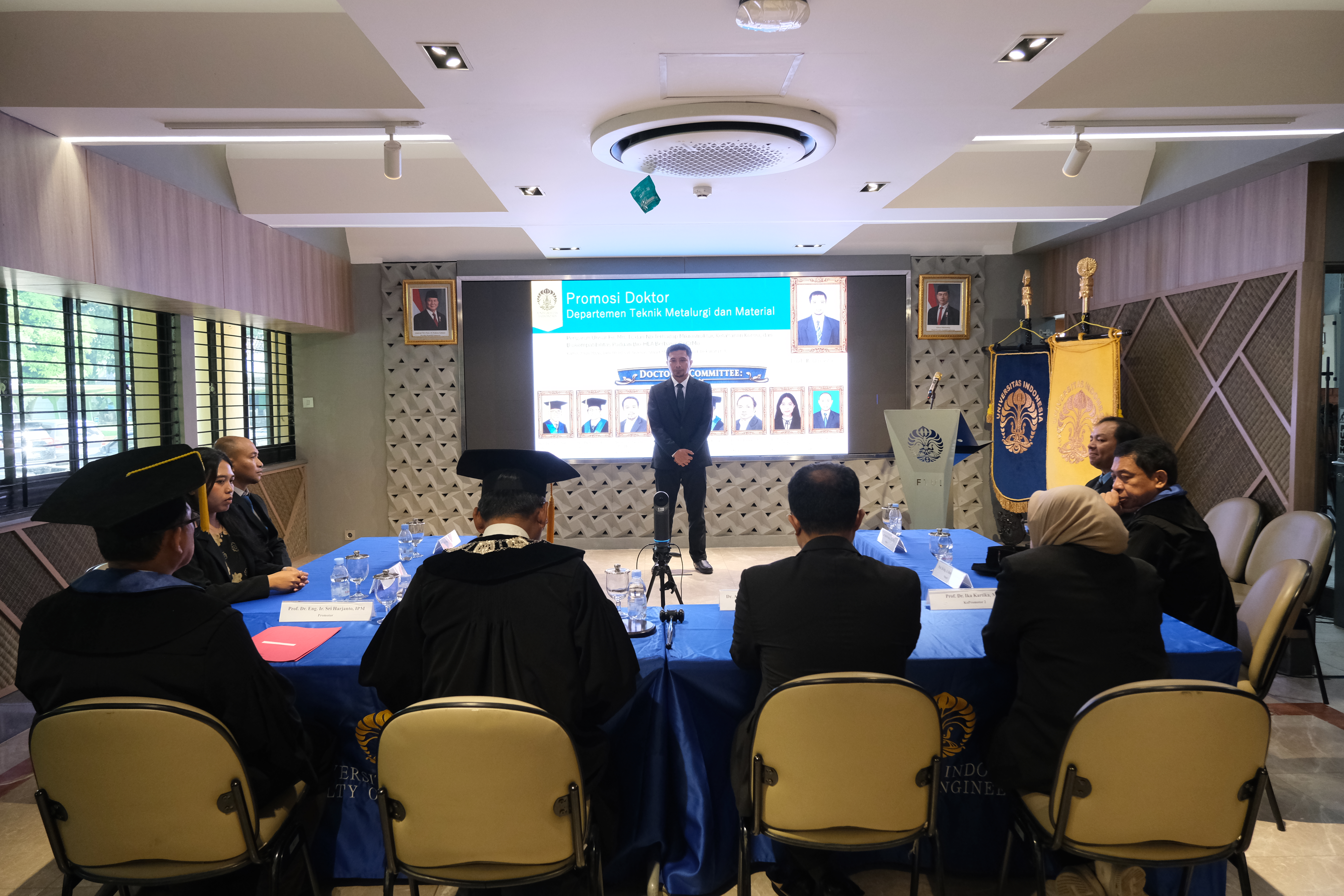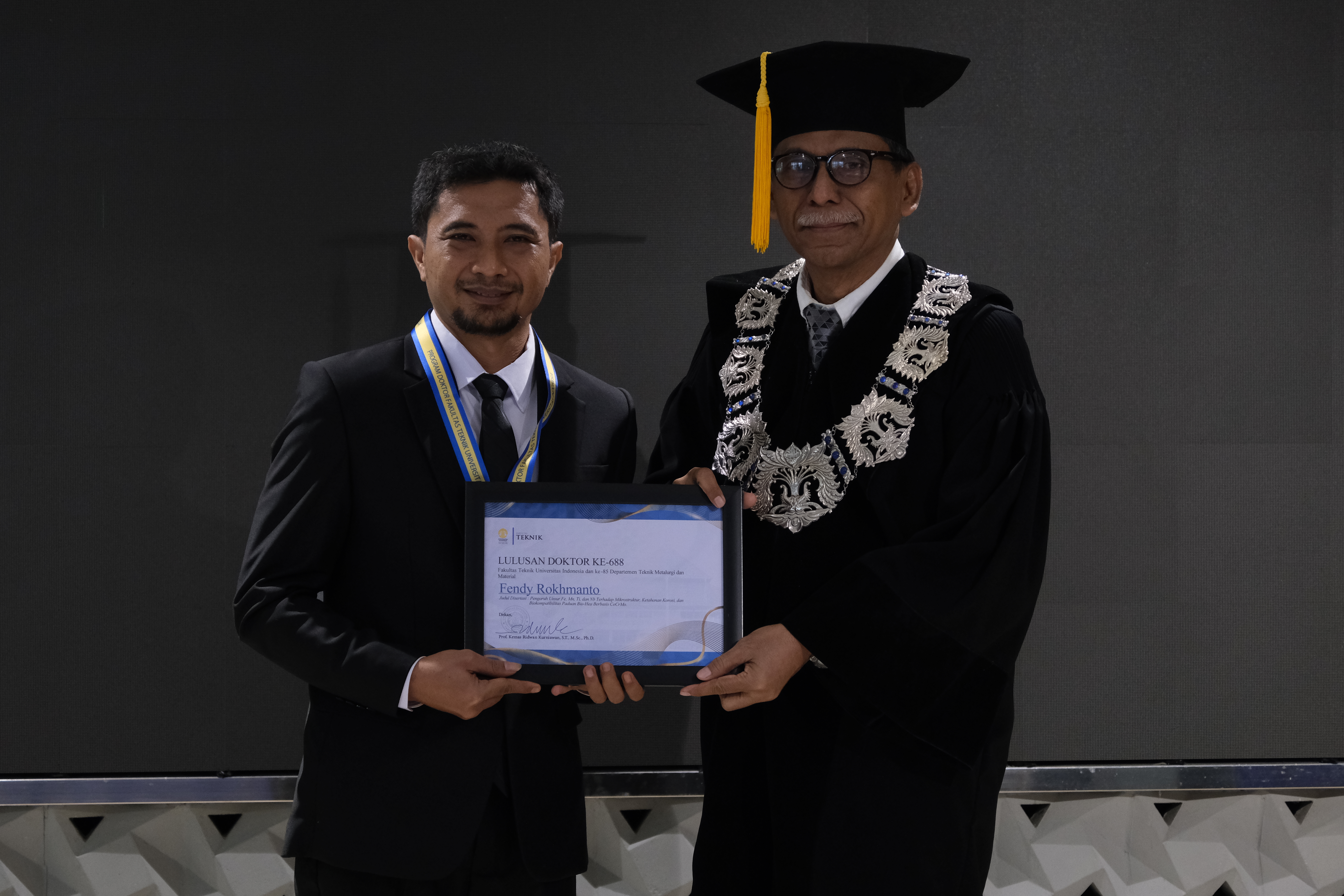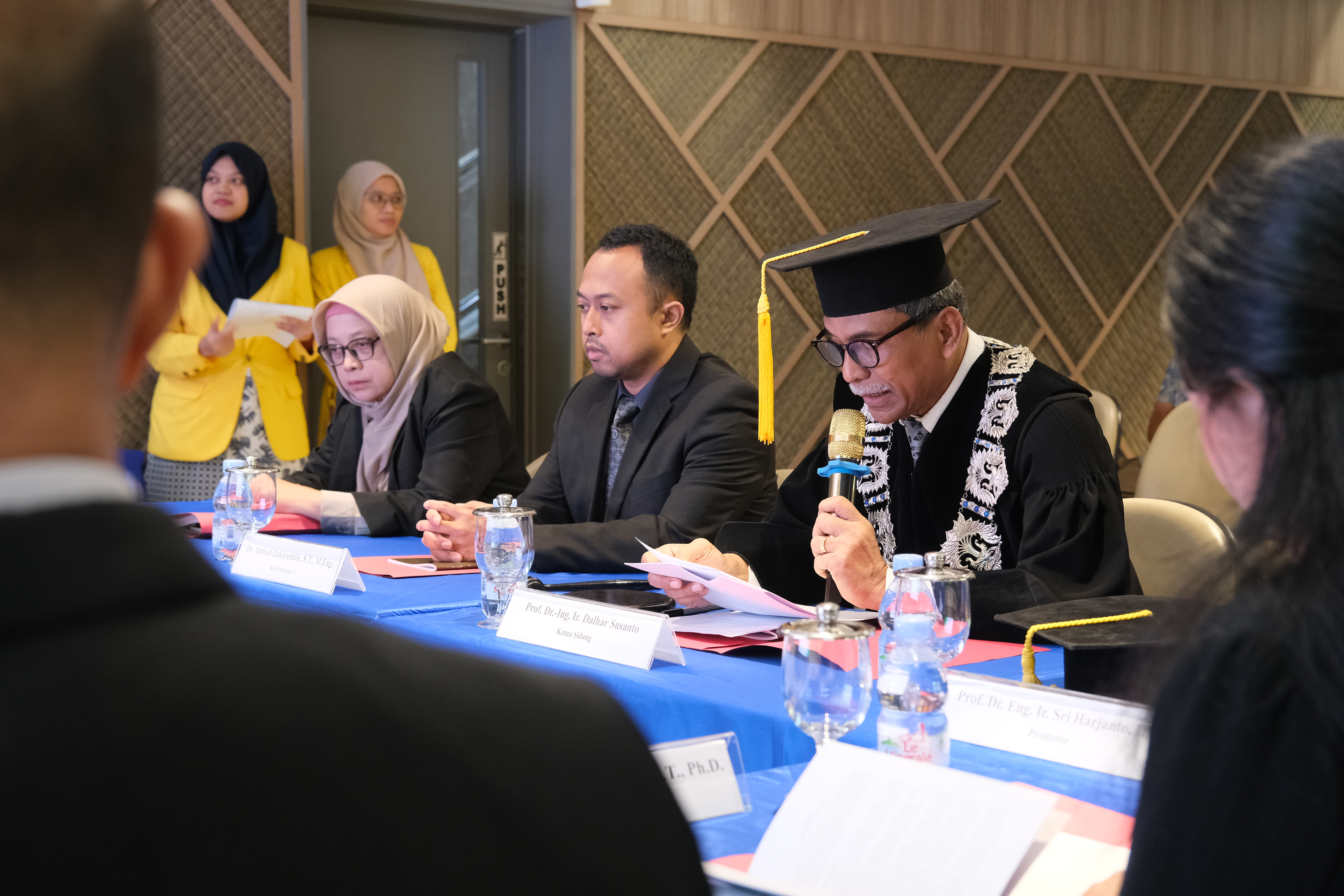
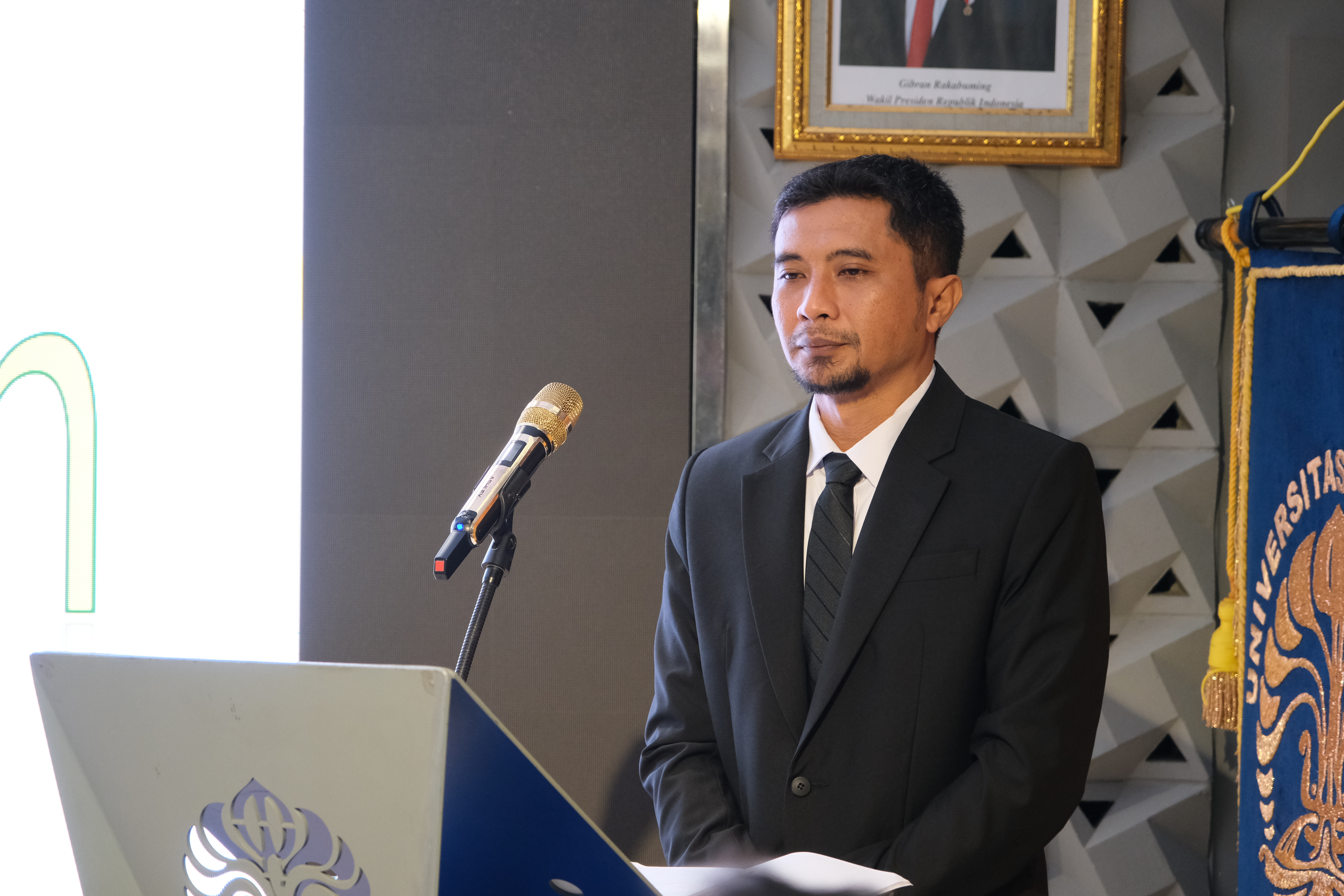
Fendy Rokhmanto has earned his Doctoral degree from the Department of Metallurgical and Materials Engineering, Faculty of Engineering, Universitas Indonesia (FTUI), after successfully defending his dissertation entitled “The Effect of Fe, Mn, Ti, and Nb Alloying Elements on the Microstructure, Corrosion Resistance, and Biocompatibility of CoCrMo-Based Bio-High Entropy Alloys” during a public doctoral defense held at the Smart Meeting Room, FTUI Dean’s Office Building, Depok, on Thursday (2/7).
Fendy graduated Cum Laude with a perfect Grade Point Average (GPA) of 4.00, becoming the 85th Doctor produced by the Department of Metallurgical and Materials Engineering and the 688th Doctor of the Faculty of Engineering, Universitas Indonesia. His research focuses on developing next-generation implant biomaterials that are safer, more durable, and possess mechanical properties that more closely resemble those of human bone.
“Metallic implant materials currently in use, such as 316L stainless steel, Ti6Al4V, and CoCrMo, still exhibit elastic moduli that are significantly higher than those of human bone. This mismatch can lead to the stress shielding phenomenon, in which reduced mechanical loading on the surrounding bone increases the risk of bone resorption, implant loosening, and the need for revision surgery. These challenges have driven the development of new biomaterials that not only provide high mechanical strength and excellent corrosion resistance but also integrate more effectively with bone tissue,” Fendy explained during his presentation.
One of the most promising candidates is bio-high entropy alloys (bio-HEAs)—metallic alloys composed of five or more principal elements in nearly equiatomic proportions, resulting in high mixing entropy. These materials offer an exceptional combination of mechanical strength, corrosion resistance, and biocompatibility, while also providing greater flexibility in tailoring alloy compositions to achieve elastic moduli closer to those of natural human bone.
Building on this potential, Fendy investigated CoCrMo-based bio-HEAs to establish the relationships among microstructure, phase transformation, mechanical behavior, corrosion resistance, and biocompatibility, to develop implant materials that are safer, more reliable, and more sustainable for future medical applications.
His study on both equiatomic and non-equiatomic CoCrMo-based bio-HEAs demonstrated that repeated melting significantly improved microstructural homogeneity, with the optimum condition achieved after four melting cycles. The addition of non-toxic alloying elements resulted in distinct mechanical characteristics. The CoCrMoMnTi alloy was dominated by a body-centered cubic (BCC) solid-solution phase, exhibiting a high hardness of 948.6 VHN, whereas CCM-FeTi 70 was dominated by an intermetallic Laves phase, leading to premature fracture.
In contrast, CCM-FeTi 80 was dominated by a hexagonal close-packed (HCP) solid-solution phase, reducing the elastic modulus to 164 GPa. Electrochemical testing showed that CoCrMoFeNb exhibited the highest corrosion rate (0.017 mmpy), while CCM-FeTi 80 demonstrated the lowest corrosion rate (0.0004 mmpy) due to the formation of a hybrid passive layer. All investigated alloys exhibited excellent biocompatibility, with cell viability exceeding 200%. Among them, CCM-FeTi 80 delivered the best overall performance, achieving the highest cell viability (241%), superior corrosion resistance, and strong potential to reduce the stress shielding effect, making it the most promising candidate for future biomaterial implant applications.
Based on these findings, Fendy proposed several recommendations for future research. These include applying heat treatment to bio-HEA ingots that exhibit mechanical instability, further developing non-equiatomic bio-HEAs to mitigate mechanical weaknesses, incorporating minimal amounts of alloying elements that improve formability while minimizing the toxicity associated with elements such as Ni and Al, carefully controlling volatile elements such as Mn during processing, and conducting more extensive in vitro and in vivo studies to further evaluate the biocompatibility of bio-HEAs in living organisms.
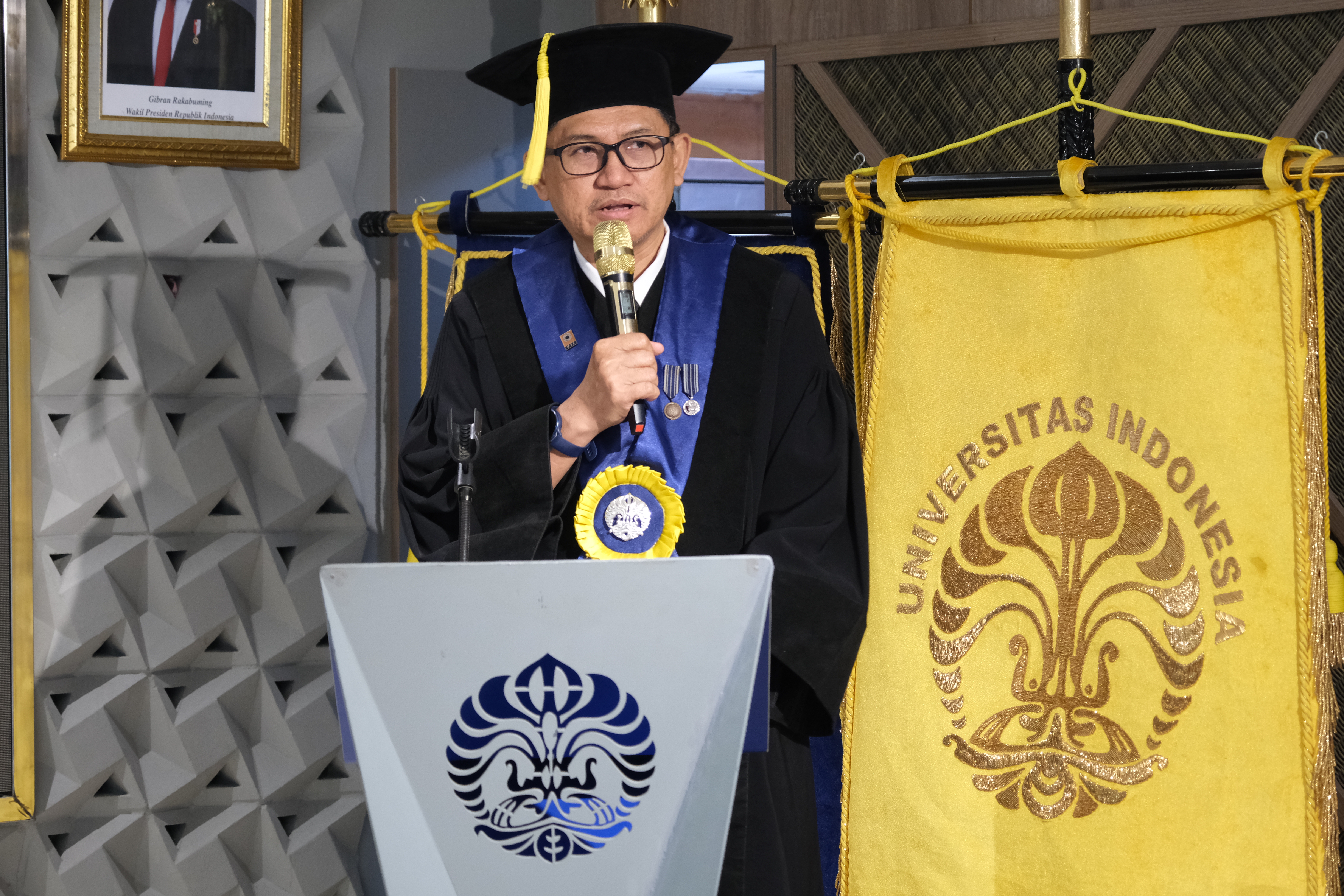
The Chair of the Examination Committee, Prof. Dr.-Ing. Ir. Dalhar Susanto praised the dissertation, stating:
“This dissertation successfully addresses one of the most relevant challenges in the development of modern biomaterials, namely the need for metallic implant materials that combine superior mechanical properties, corrosion resistance, and biocompatibility. In addition to its academic novelty, the findings hold significant potential for further development toward clinical applications through continued research, particularly in vitro and in vivo testing. Overall, this dissertation reflects a systematic research process supported by a robust methodology and makes a substantial contribution to the advancement of science and technology in the fields of metallurgy, materials engineering, and biomaterials.”
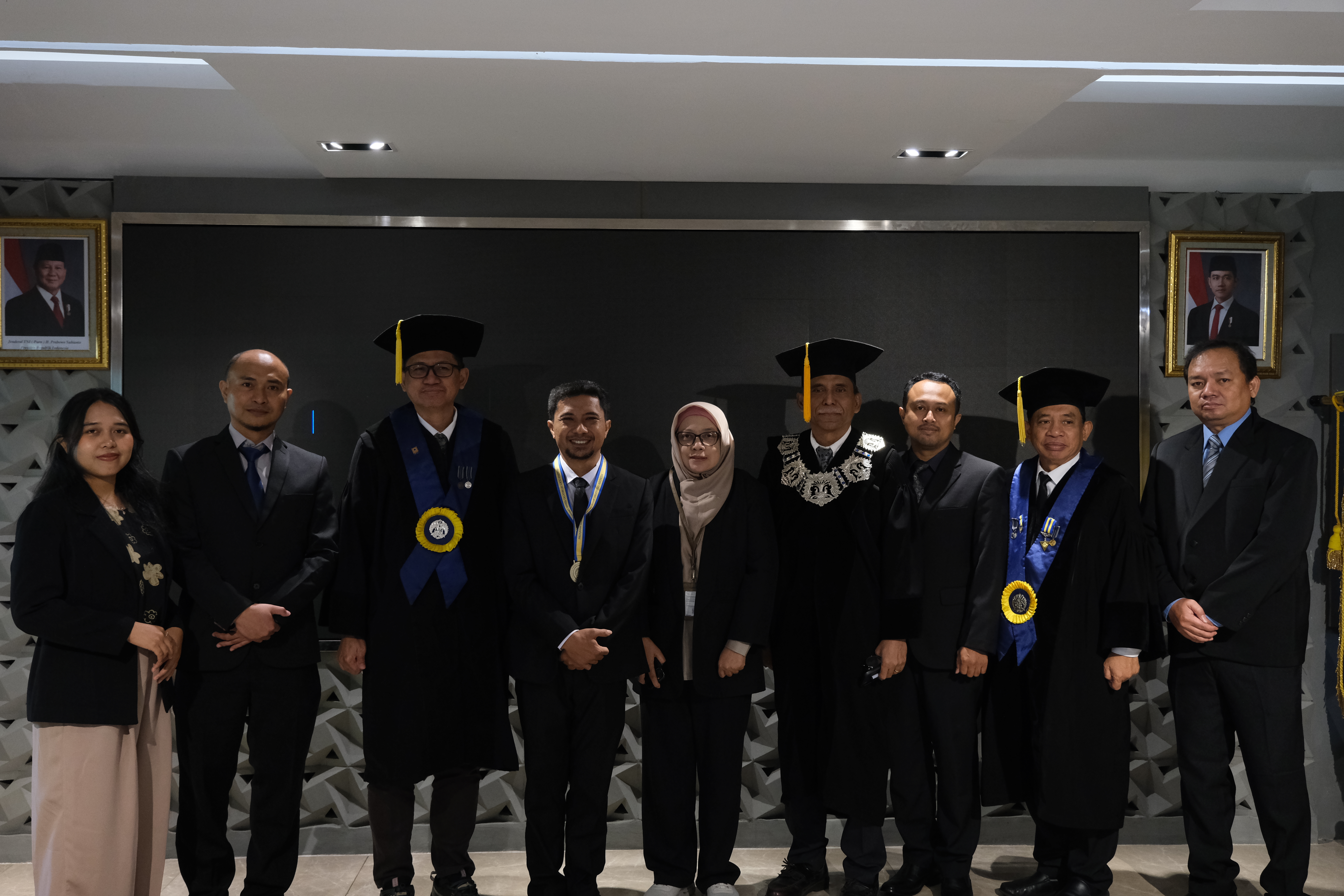
The doctoral defense was chaired by Prof. Dr.-Ing. Ir. Dalhar Susanto, with Prof. Dr. Eng. Ir. Sri Harjanto serving as Promotor, Dr. Ahmad Zakiyuddin, S.T., M.Eng. as Co-Promotor I, and Prof. Dr. Ika Kartika, S.T., M.T., Research Professor at the Research Center for Metallurgy, National Research and Innovation Agency (BRIN), as Co-Promotor II. The examination committee consisted of Prof. Dr.-Ing. Ir. Bambang Suharno, Dr. Deni Ferdian, M.Sc., Maya Putri A., S.T., Ph.D., and Dr. Eng. Edi Riyanto, M.Sc., Principal Researcher at the Research Center for Metallurgy, National Research and Innovation Agency (BRIN).
***
Public Communications Office
Faculty of Engineering, Universitas Indonesia