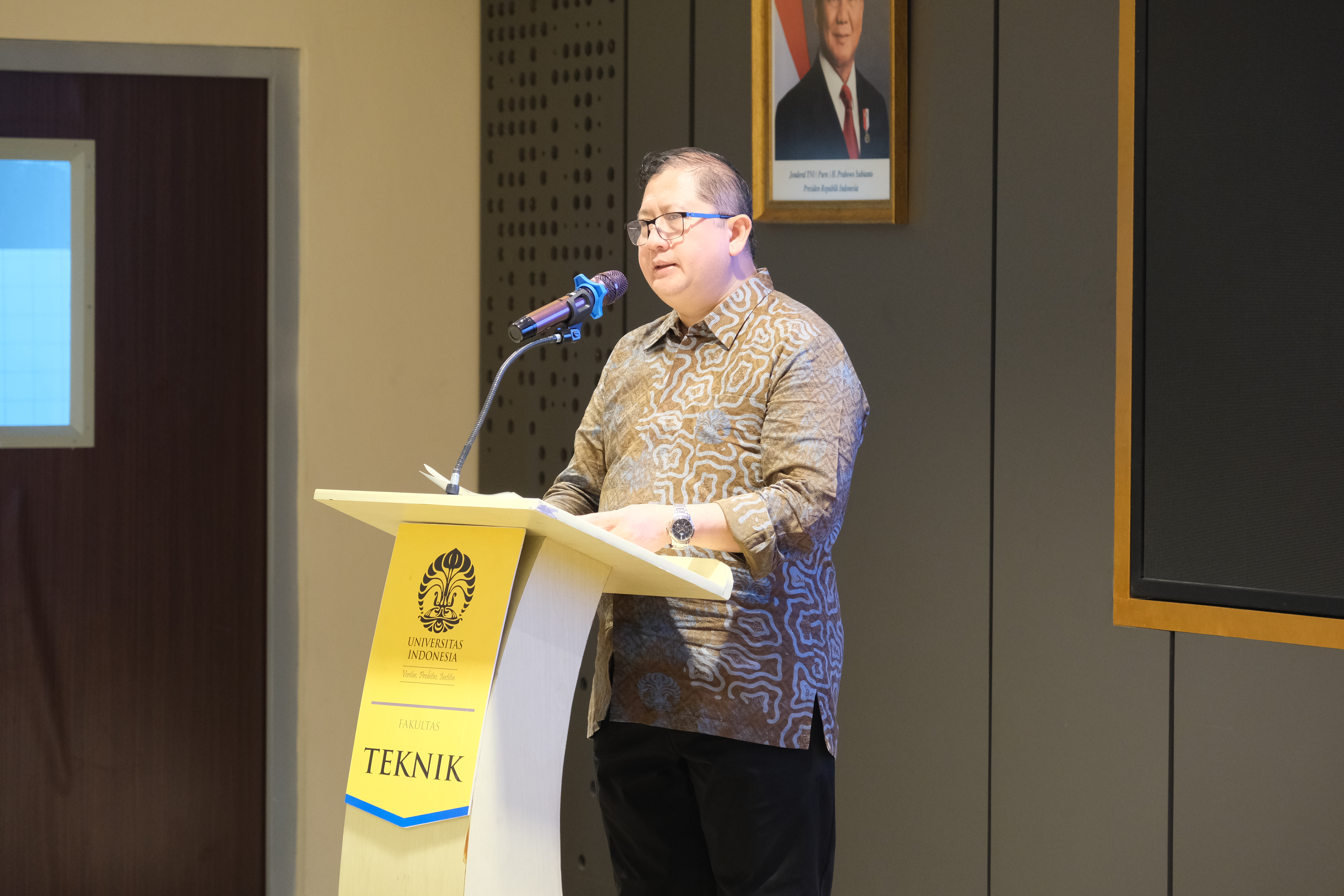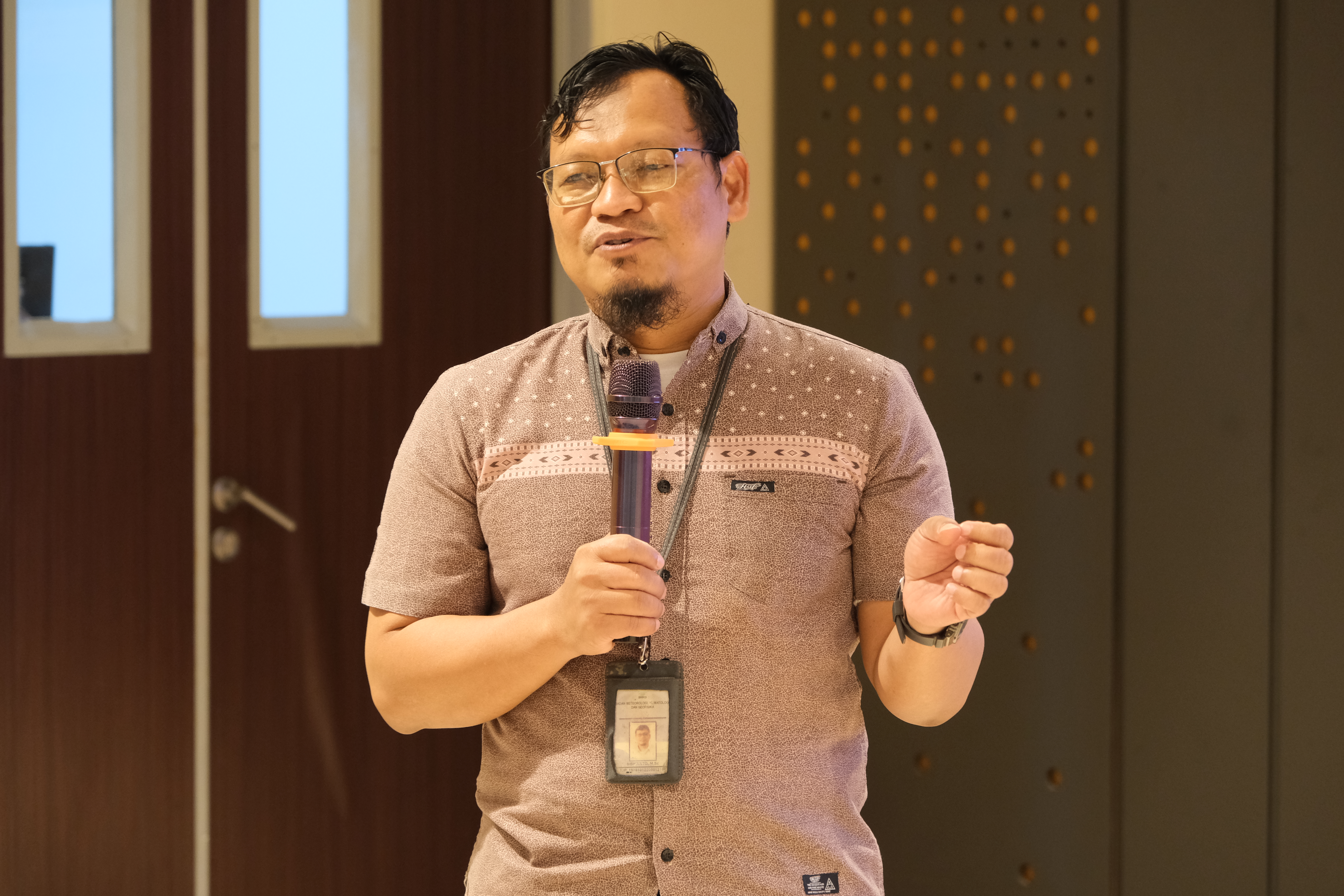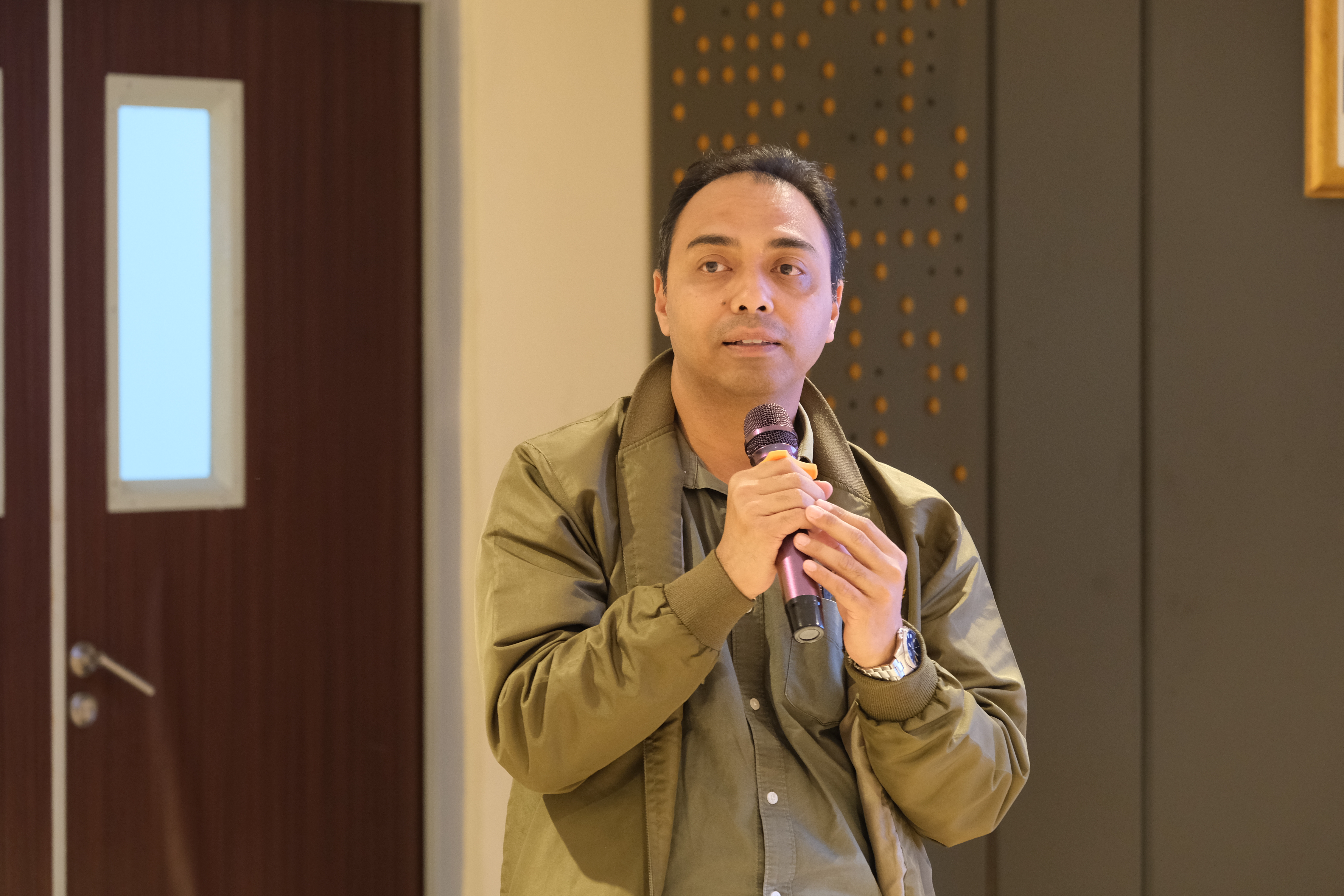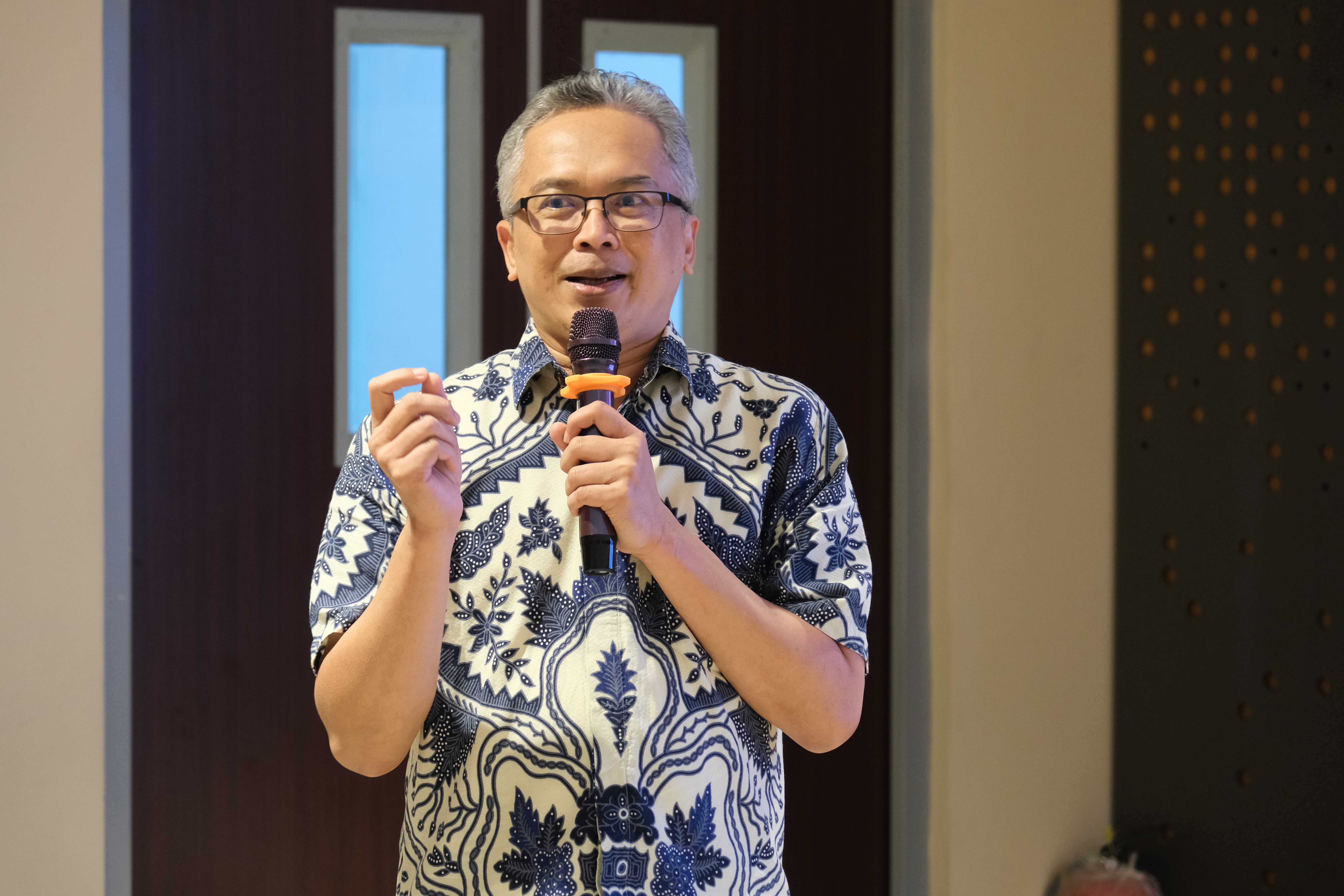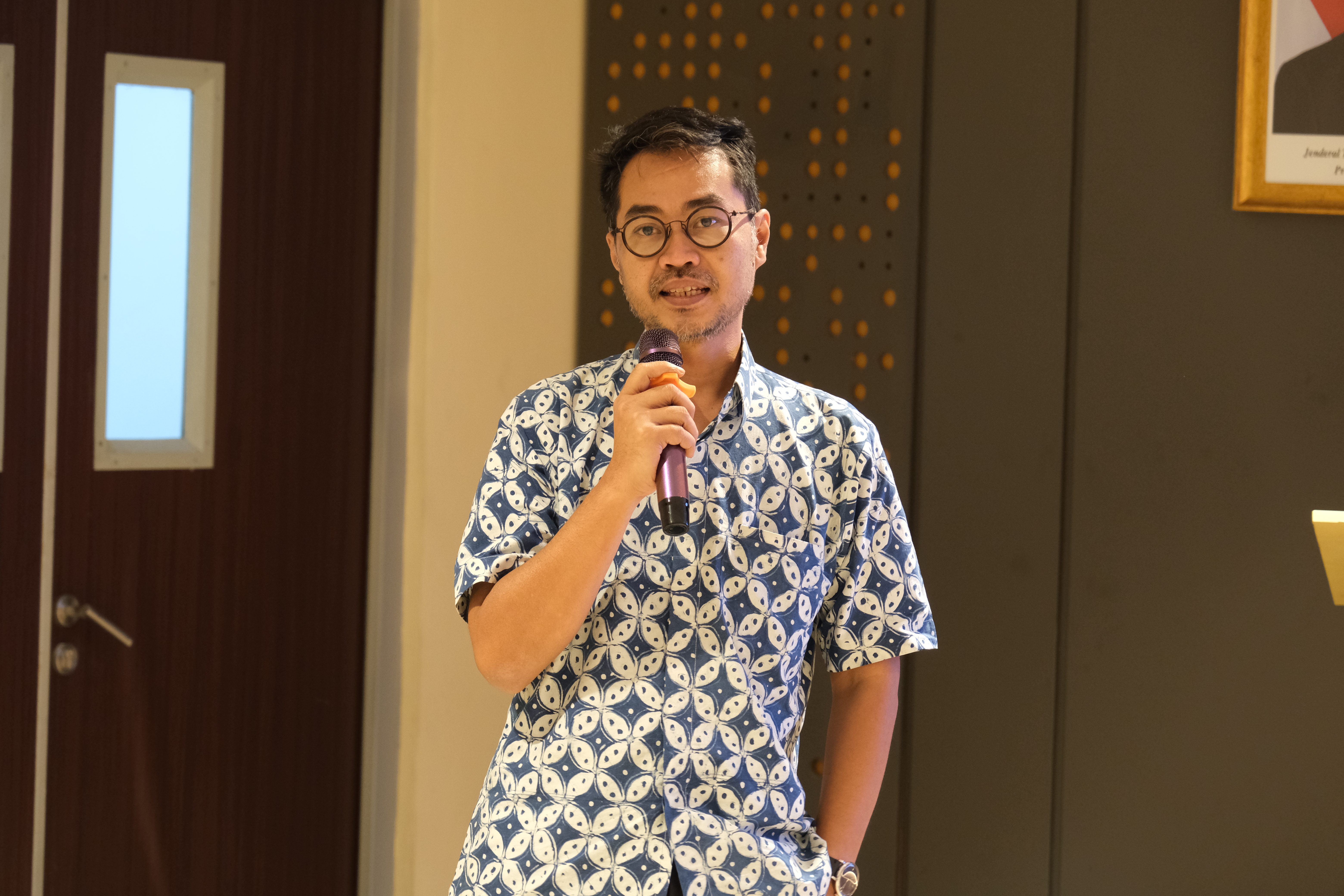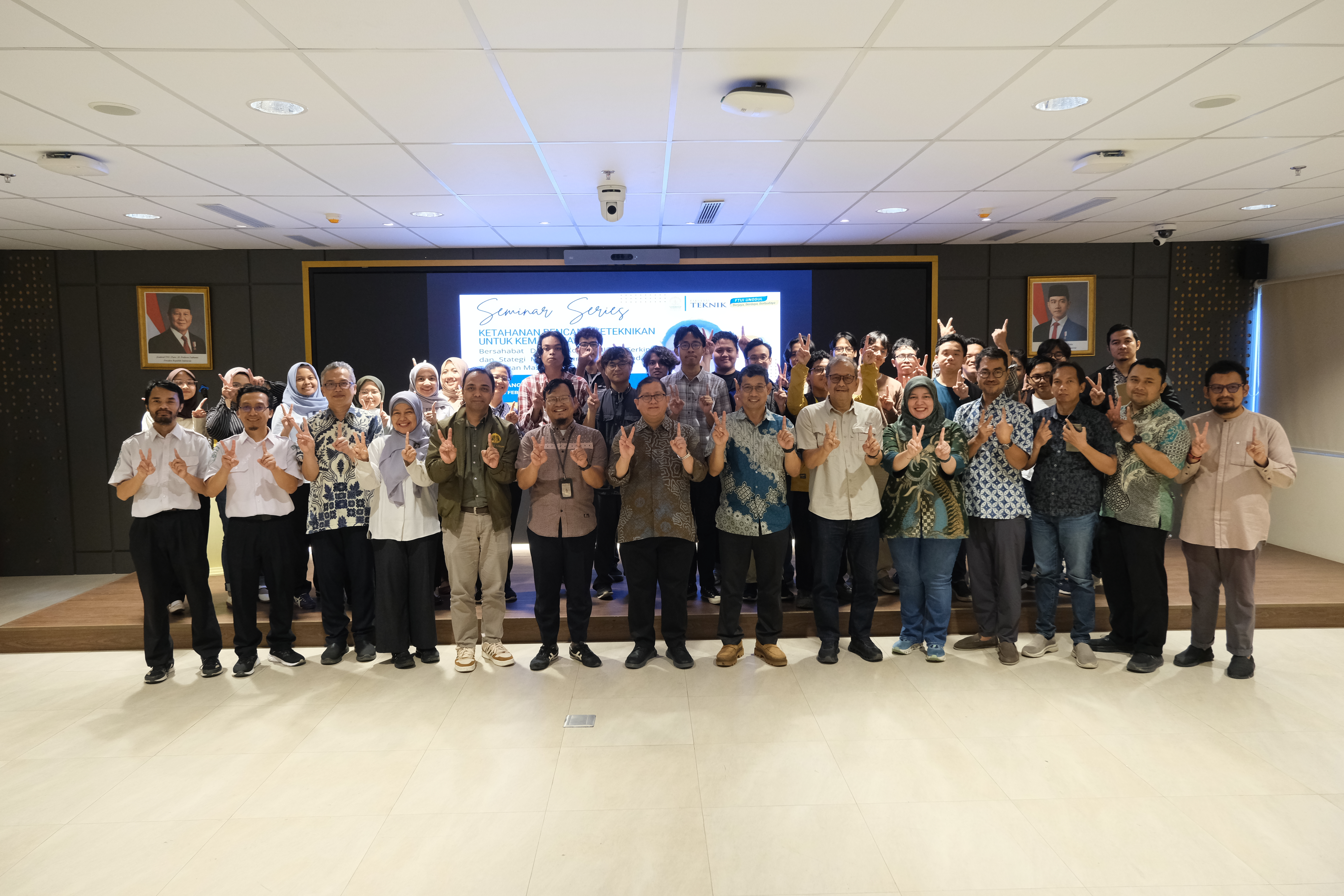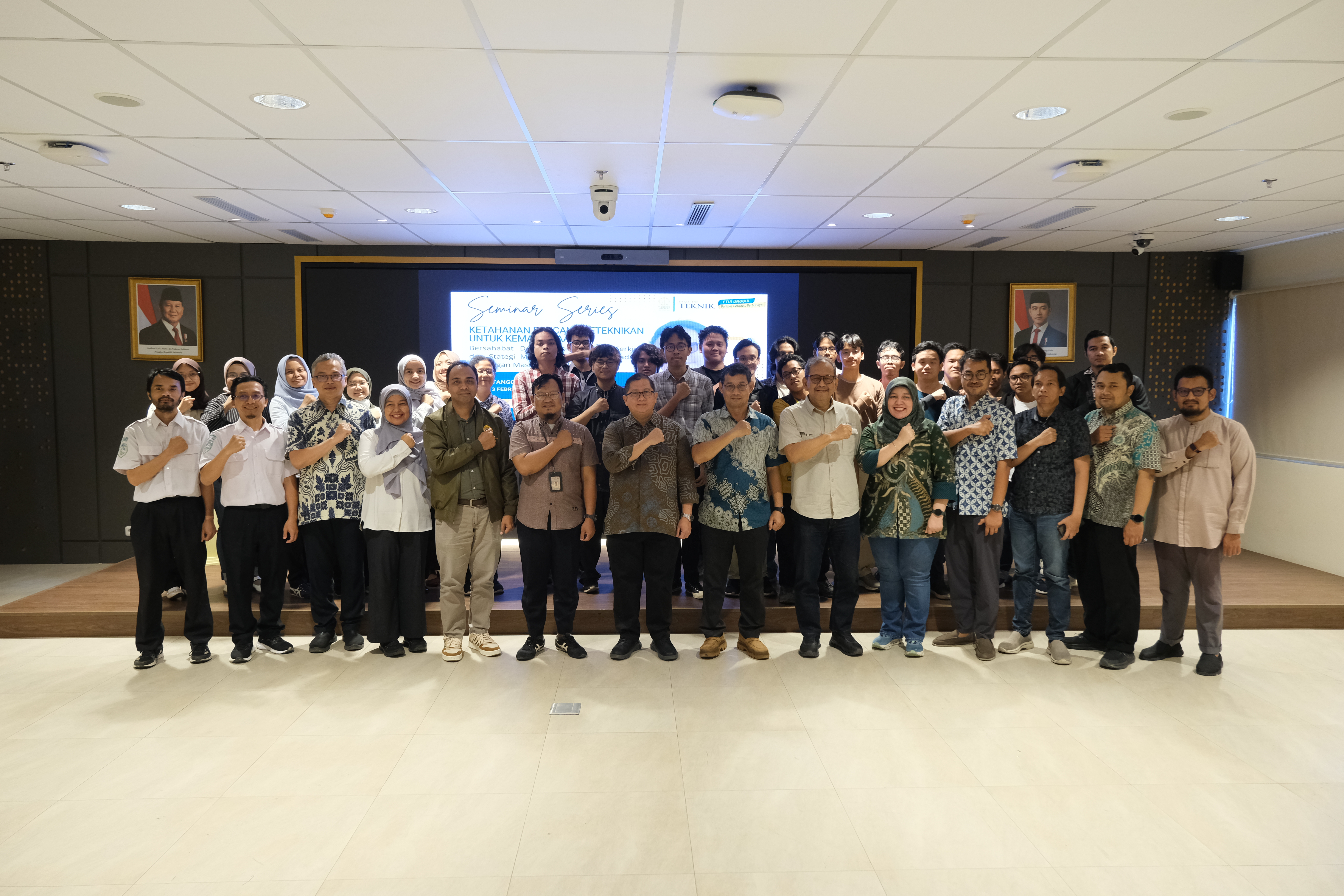
The Faculty of Engineering, Universitas Indonesia (FTUI) organized the Seminar Series on Engineering-Based Disaster Resilience for Humanity on Tuesday (03/02) at the Auditorium of the IDE Building, 2nd Floor, FTUI. The seminar served as a strategic discussion forum bringing together members of the academic community and disaster management practitioners to explore the role of engineering in strengthening community resilience against disaster risks. The event featured Siswanto, M.Sc., Ph.D., Coordinator for Applied Climate Information at the Meteorology, Climatology, and Geophysics Agency (BMKG), as the keynote speaker.
The event was officially opened by the Dean of the Faculty of Engineering, Universitas Indonesia, Prof. Kemas Ridwan Kurniawan, S.T., M.Sc., Ph.D., who emphasized that disaster-related issues represent a real challenge requiring active contributions from engineering higher education institutions. “Two weeks ago, I visited Aceh Tengah with a team and witnessed firsthand the devastating impacts of disasters that remain deeply concerning. Several areas are still isolated with limited access to electricity and clean water, and there are even regions that are no longer habitable due to river course changes and environmental degradation,” he explained.
“Indonesia is a disaster-prone country, and the situation in Aceh demonstrates that many challenges still need to be addressed. However, behind this concern lies a significant opportunity for the engineering field to deliver contextual innovations with direct impact on affected communities. Collaboration among academics, practitioners, and government institutions such as BMKG is key to building a sustainable disaster resilience system,” Prof. Kemas added.
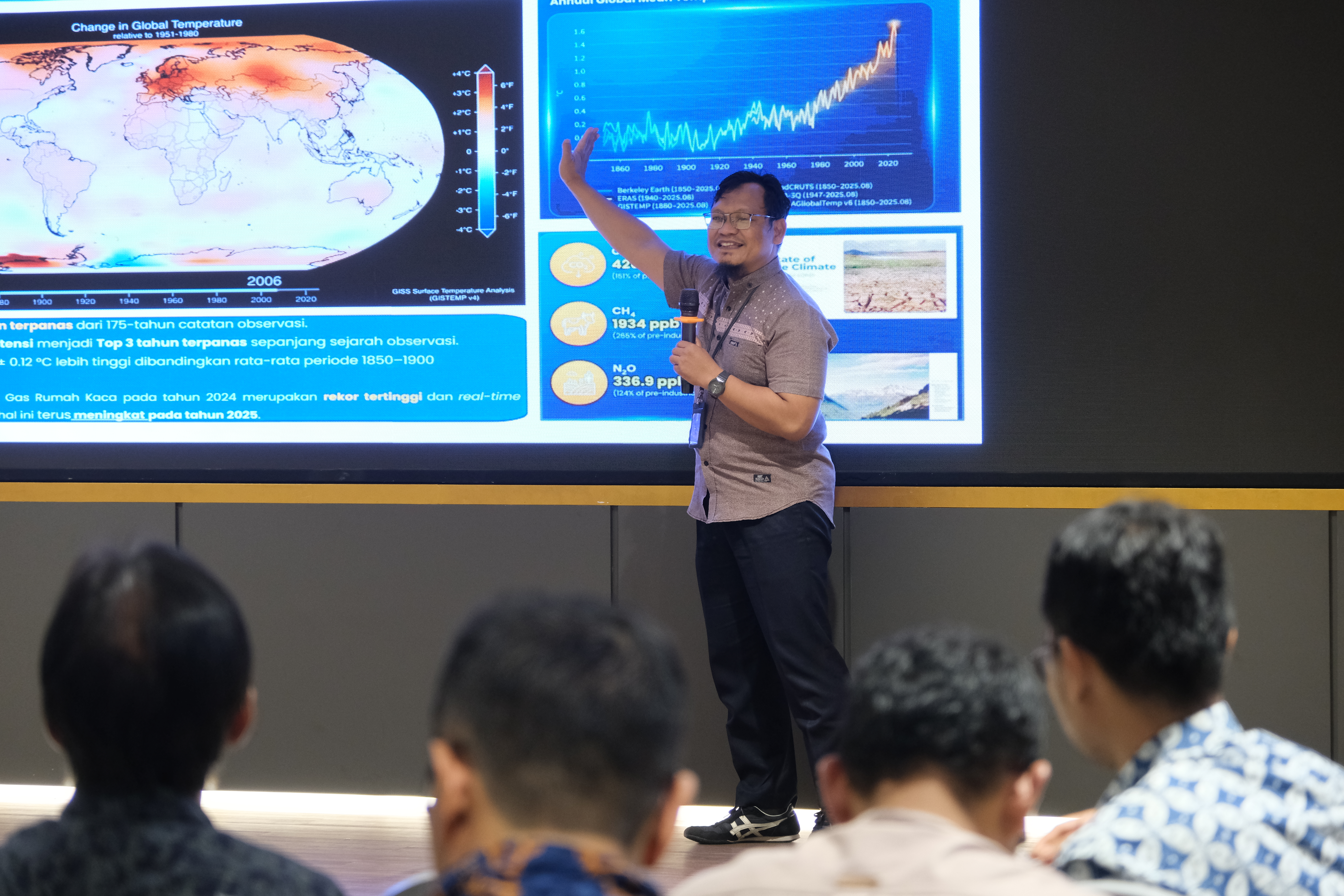
In line with this, Siswanto explained in his presentation that the world has entered the era of global boiling, marked by rising global temperatures and record-breaking hottest years in the history of observations. He stated that the increasing concentration of greenhouse gases, particularly carbon dioxide (CO₂), both globally and in Indonesia, has triggered ocean warming, sea-level rise, and a growing frequency and intensity of hydrometeorological disasters such as floods, landslides, extreme weather events, and droughts.
Furthermore, Siswanto emphasized that disasters result from the interaction between natural hazards, vulnerability levels, and community exposure. Therefore, engineering approaches cannot be separated from a risk-based understanding grounded in accurate climate data. He highlighted the importance of hazard mapping, strengthening community capacity, and implementing global frameworks such as the Sendai Framework for Disaster Risk Reduction, which positions early warning systems, innovation, and cross-sector collaboration as key pillars of disaster risk reduction.
In the context of future climate preparedness, Siswanto elaborated on BMKG’s role in providing comprehensive climate information services, ranging from monitoring ENSO and the Indian Ocean Dipole (IOD), seasonal and rainfall predictions, to impact-based early warnings for extreme climate events. He noted that climate projections for 2026 indicate a neutral tendency for ENSO and IOD conditions, with most regions of Indonesia expected to experience rainfall within the normal category. Nevertheless, the potential for extreme rainfall events in certain areas must still be anticipated through adaptive and risk-responsive engineering planning.
In closing, Siswanto underscored that disaster resilience is built not only through infrastructure and technology, but also through the integration of engineering design, climate literacy, and community preparedness. According to him, engineering higher education institutions play a strategic role in generating innovation, applied research, and community engagement initiatives capable of addressing disaster challenges in a concrete and sustainable manner.
The seminar was attended by Prof. Kemas Ridwan Kurniawan, S.T., M.Sc., Ph.D., Dean of the Faculty of Engineering, Universitas Indonesia; Prof. Dr. Ir. Akhmad Herman Yuwono, M.Phil.Eng., Vice Dean for Education, Research, and Student Affairs; Dr. Aries Subiantoro, S.T., M.Sc., Manager of Research, Innovation, and Community Engagement; Dr. Evi Anggraheni, S.T., M.T., Manager of Cooperation, Venture, and Entrepreneurship; Prof. Dr. Ir. Yanuar, M.Eng., M.Sc.; as well as faculty members and students.
***
Public Communication Office
Faculty of Engineering Universitas Indonesia